Table of Contents
- – Embodied Trauma in Depression Practitioners: P...
- – How Focused Therapy for Professionals Facilita...
- – Moving Beyond from Imposter Syndrome Through ...
- – The Science Validating Eye Movement Desensiti...
- – Achievement Shame in High-Performing Individ...
- – The Importance of Nervous System Work in Dep...
- – Particular Stressors of Depression Specialis...
While everybody experiences despair in different ways, identifying the different phases of sorrow can assist you expect and comprehend several of the responses you may experience throughout the mourning process. It can likewise help you know your requirements when regreting and locate means to fulfill them. Comprehending the mourning process can inevitably help you work toward approval and recovery.
You may acknowledge sensations that a phase describes, and this will certainly assist you recognize which phase you are in. Phases can likewise come and go, and and earlier stage can return later on.
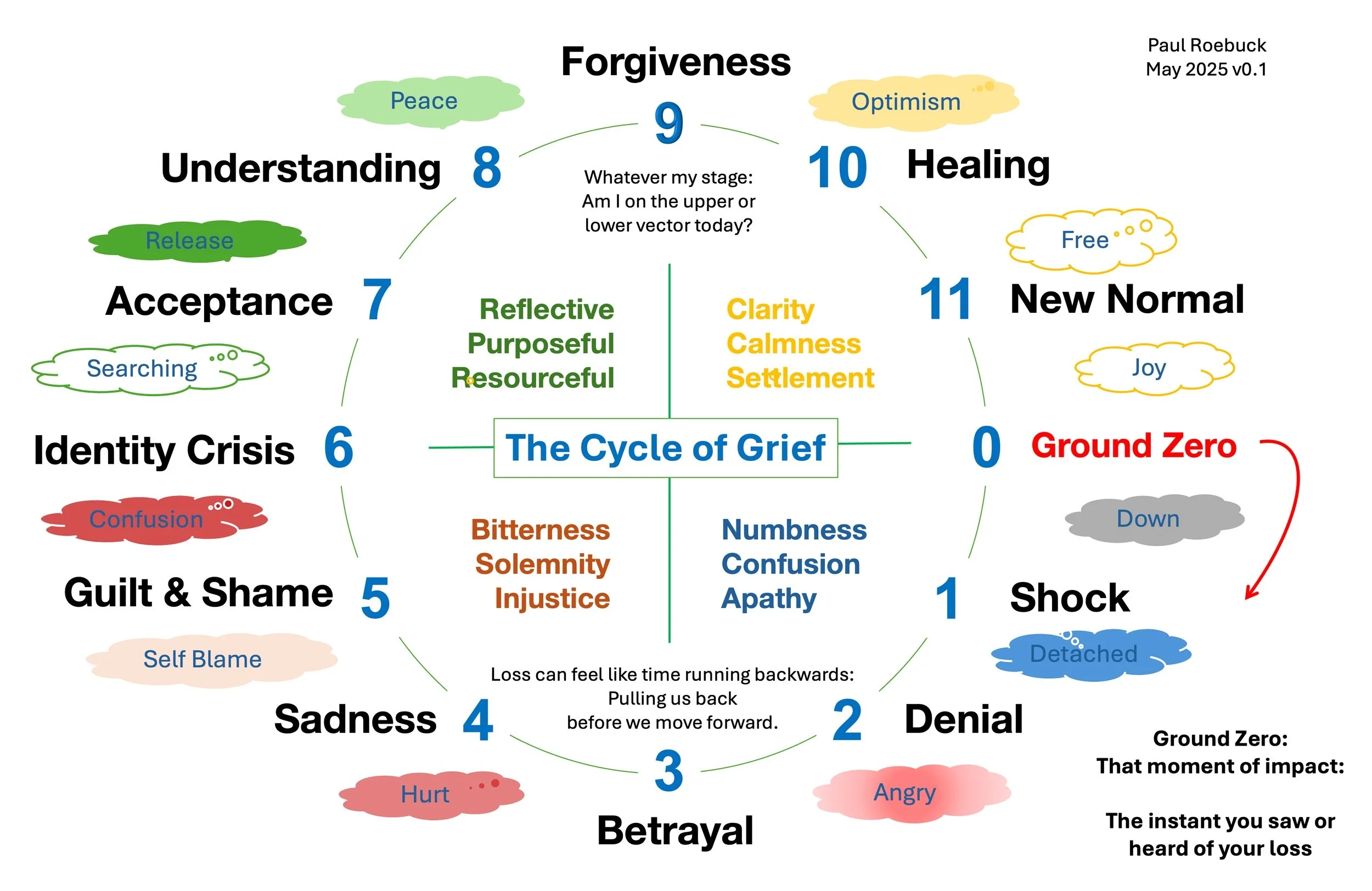
Sorrow is a global human experience that touches everybody at some point in life. Whether it's the loss of a loved one, the end of a relationship, a job obstacle, or one more considerable change, sorrow is the natural emotional action to loss. According to the American Psychological Organization, around 10-20% of people experience complicated griefa consistent kind of extreme griefafter losing somebody close to them.
It represents the strength of your love and the depth of your loss. The bargaining stage usually entails a series of "suppose" and "so" thoughts as you psychologically work out for a different result: "So I had taken them to the doctor sooner ..." "What if I had been a far better partner/friend/child?" "I guarantee to be a far better individual if this pain goes away"A 2020 testimonial in the Journal of Counseling Psychology found that bargaining thoughts occurred in around 57% of bereaved people, with higher prices amongst those taking care of sudden or unanticipated losses.
Embodied Trauma in Depression Practitioners: Processing Through Somatic Therapy
Acceptance does not indicate you're "over it" or that the pain has actually vanished. Instead, it suggests you're discovering to live with the loss as part of your tale: Adapting to a brand-new reality Locating brand-new regimens and patterns Experiencing moments of joy without guilt Being able to discuss the loss a lot more conveniently Developing definition from your experienceA longitudinal research published in JAMA Psychiatry located that a lot of bereaved individuals got to some degree of approval within 6-24 months, though this timeline varies considerably depending on aspects like partnership to the deceased and situations of death.
Everyone experiences sorrow differently. Your experience of despair and exactly how you cope with it will depend on various factors. These might include your age, previous experiences with pain and your spiritual or religious views.
How Focused Therapy for Professionals Facilitates Healing in Your Community
Anticipatory pain implies feeling depressing before the loss occurs. Instead than grieving for the individual, who is still with you, you may feel sorrow for the things you won't reach do together in the future. When facing a considerable loss, such as the death of a loved one, it is natural to really feel lots of strong feelings.
Individuals diagnosed with an incurable health problem and those encountering the fatality of a liked one might experience awaiting despair., you might experience numerous emotions including shock, worry and sadness.
You regret lost chances or experiences you'll miss also little ones, such as the satisfaction of the sunshine or a warm cup of coffee. If someone you like is facing an incurable health problem, it prevails to experience anticipatory sorrow in the months, weeks and days before fatality. You may grieve the very same points your liked one is mourning, or various losses completely.
Moving Beyond from Imposter Syndrome Through Therapy in Your Area
You may really feel awaiting sorrow If your enjoyed one is puzzled or subconscious for a long period of time (e.g. with ecstasy or mental deterioration). You may feel that the person you understood is currently gone, also if they are still physically there. If your liked one has a decrease in physical health or flexibility, you may really feel awaiting grief as you shed the chance to share experiences, such as leisure activities, vacations or events.
This is particularly real if you invest a great deal of time looking after the person. You may miss out on activities you made use of to enjoy together and really feel pain regarding the modification in your partnership. The nature of your connection may alter as you handle a carer's duty, or come to be the one being taken care of.
The Science Validating Eye Movement Desensitization and Reprocessing for Transformation
Feelings of despair before death are typical it's crucial to identify them, and to speak concerning them. Experiencing awaiting grief doesn't necessarily suggest that you will grieve your enjoyed one any much less after they are gone.
Achievement Shame in High-Performing Individuals
Check out the CareSearch internet site for web links to palliative care and end-of-life info in a variety of area languages. Call Carer Gateway on 1800 422 737 for resources to sustain for Aboriginal and/or Torres Strait Islander carers and neighborhoods. CareSearch gives info on recognizing bereavement, end of life and palliative treatment demands of the LGBTIQA+ area. In fact, we do not experience feelings of grief one at a time or in a certain order. You may experience these things because they are all typical feelings of grief.
It's normal to feel various other things as well, such as shock, anxiety, exhaustion, or guilt. Some individuals really feel numb after the fatality of a person they appreciated. They may also try to continue as though nothing has actually happened. If you experience this, it can be due to the fact that it's just too difficult to believe that the person you understand so well is not coming back.
The Importance of Nervous System Work in Depression Healing
Possibly they promise themselves that they will certainly now always do (or not do) something, thinking that it might make the individual who has actually passed away come back. People might additionally find that they keep going back over the past and ask great deals of 'what if' questions, desiring that they could go back and transform points so that they can have turned out differently.

These feelings can be very intense and uncomfortable, and they may reoccur over lots of months or years. Most individuals discover that excruciating feelings like this become much less solid over time. If you do not feel this holds true for you, then you must ask for help.
Her model came to be commonly accepted as a means to recognize despair, however with time, grief counsellors and researchers increased upon it, leading to the development of the. This extended model incorporates added psychological reactions that individuals might experience: The initial reaction to loss often brings shock and shock. This phase acts as a protective system, permitting us to absorb the truth of our loss in convenient dosages.
Particular Stressors of Depression Specialists Pursuing Mental Health Support
Feelings of regret or guilt may arisewondering if you can have done something in a different way, or sensation sadness over things left unspoken. Pain can manifest as angertoward yourself, others, or even the person that has actually passed.

Table of Contents
- – Embodied Trauma in Depression Practitioners: P...
- – How Focused Therapy for Professionals Facilita...
- – Moving Beyond from Imposter Syndrome Through ...
- – The Science Validating Eye Movement Desensiti...
- – Achievement Shame in High-Performing Individ...
- – The Importance of Nervous System Work in Dep...
- – Particular Stressors of Depression Specialis...
Latest Posts
Simultaneous Needs in Clinical Practice
Why ERP Therapy Promotes Healing
Post-Traumatic Growth: Life After EMDR Therapy
Navigation
Latest Posts
Simultaneous Needs in Clinical Practice
Why ERP Therapy Promotes Healing
Post-Traumatic Growth: Life After EMDR Therapy